
Should you stretch watercolor paper on a board?
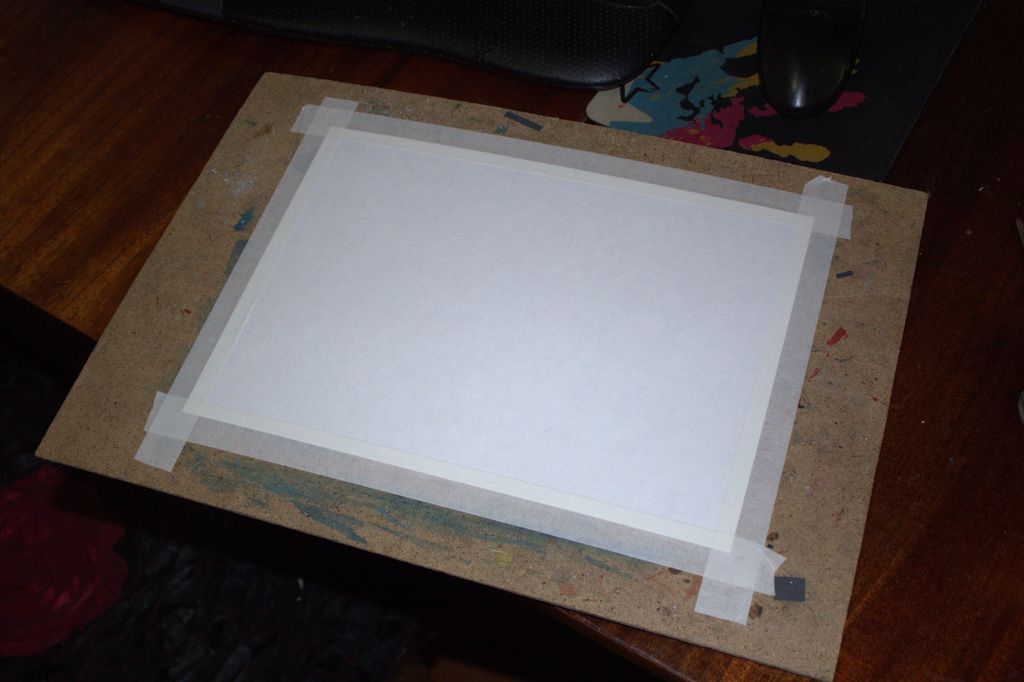
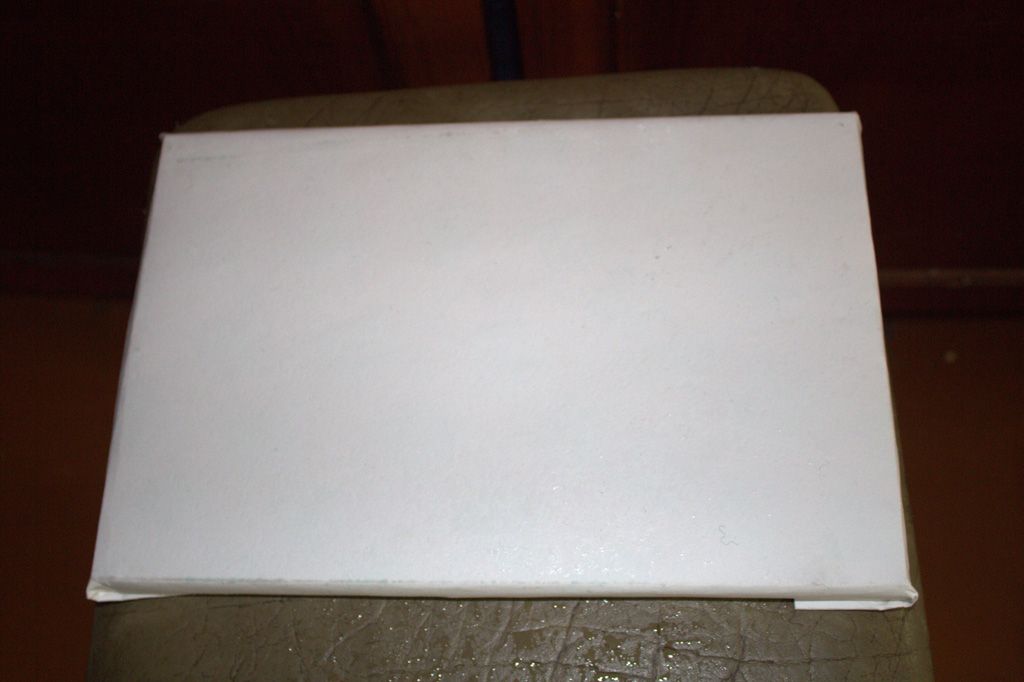
Professionals recommend always stretching watercolor paper on a board. The advantages of this method are that the paper doesn't warp much from moisture, doesn't peel off, and doesn't shift. But the main benefit is that after drying, the sheet is perfectly flat, which is especially important for illustrators and stock artists, and it scans easily. However, there are downsides: the time it takes to stretch the paper onto the board. If you draw a lot, you need several boards, preferably in different sizes. Paper consumption is also about twice as high. See how to do it here. The second method is to tape the sheet to a board or a piece of plywood using masking tape. This method allows you to change sheets quickly and draw on sheets of different sizes, even small scraps. The downside of this method is that the paper warps and can peel off. This option is especially inconvenient for wet-on-wet techniques. I have concluded for myself that I simply tape thick cotton paper to a piece of fiberboard with masking tape. I do the same if the drawing is not intended to cover the entire sheet and doesn't involve washes, for example, for various sketches. At the same time, I always stretch thin cellulose paper on a board. The same applies if I plan to paint a landscape or use a wet technique.
Which wins for you: laziness or perfectionism?


