
Saving the family budget or giving a second life to an old clutch
After the lockdown, many of us found our wallets a bit lighter, yet we still really want to update our wardrobe, including our handbags. I decided to run another experiment and give a second life to a tired, old clutch. This time, I decided to experiment with chalk paint to recreate the look of noble, natural leather. I would be grateful if you could share your honest and truthful comments on the final result.
For this project, besides the clutch itself, I needed:
- chalk paint (you can use store-bought or homemade, the main thing is that you are 300% confident in it);
- a soft-bristled brush;
- clear wax;
- metallic wax in any shade you like (gold, bronze, copper).
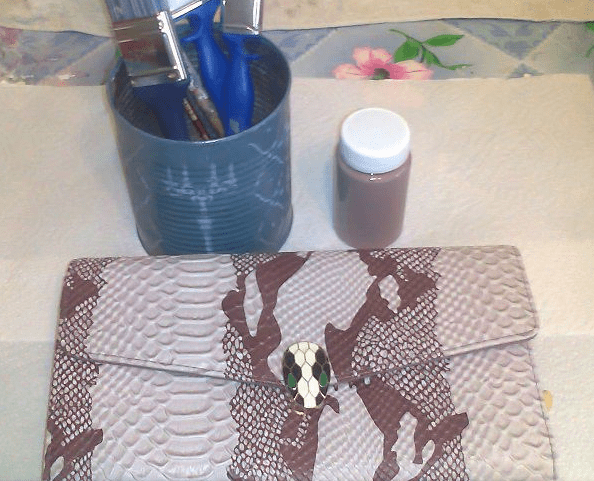
Before starting to decorate and transform the item, the surface of the bag needs to be degreased.
Stir the chalk paint thoroughly. Pick up a small amount of paint on the brush and paint the surface.
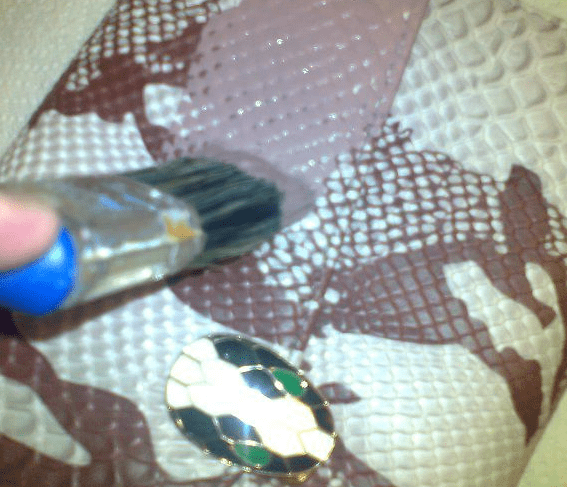
After painting, this is the result, but it's not over yet)
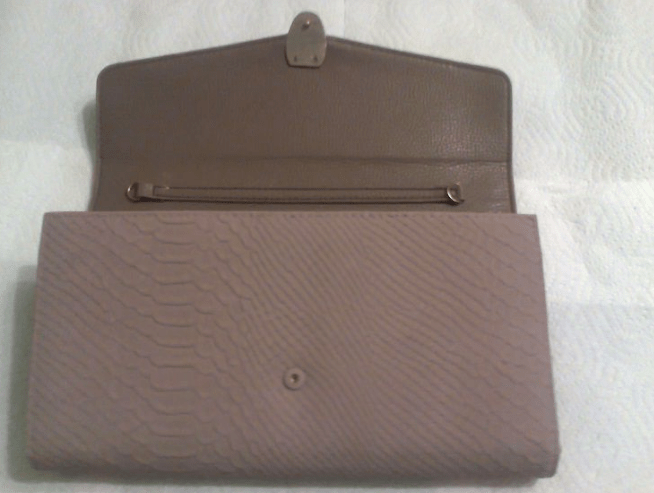
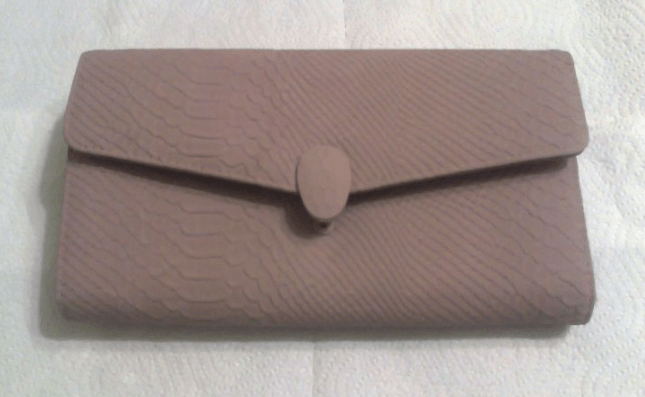
The surface of the bag turned out somewhat similar to nubuck; it's a pity the photo cannot convey how it feels to the touch. Despite the fact that the chalk paint holds quite firmly on the surface of the clutch, it is mandatory to cover such beauty with a finishing coat. Otherwise, any stains, especially greasy ones, will remain on the surface forever.
Chalk paints can be covered with wax. Thanks to this coating, the surface retains its velvety texture.
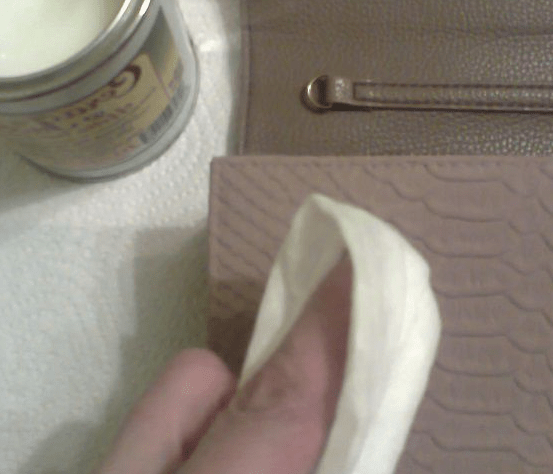
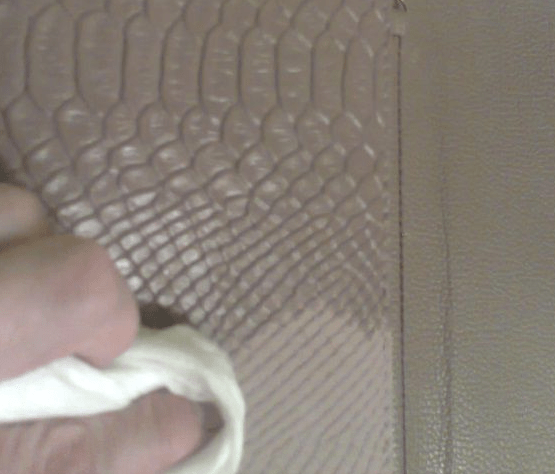
After rubbing the clutch with wax, leave it to dry for 2-3 days. After that, you need to polish the surface with felt.
To emphasize the texture of the surface, you can use the simplest method. Mix the paint used to cover the clutch with a darker shade. Mix well and apply to the surface of the clutch in small sections. At this stage, you don't need to wait for it to dry or set. Apply the paint and wipe it off immediately.
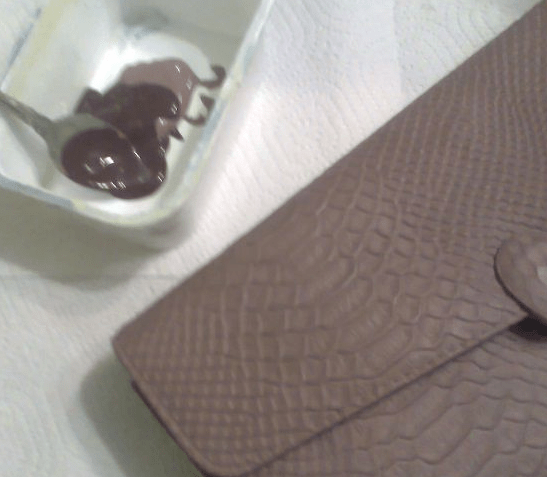
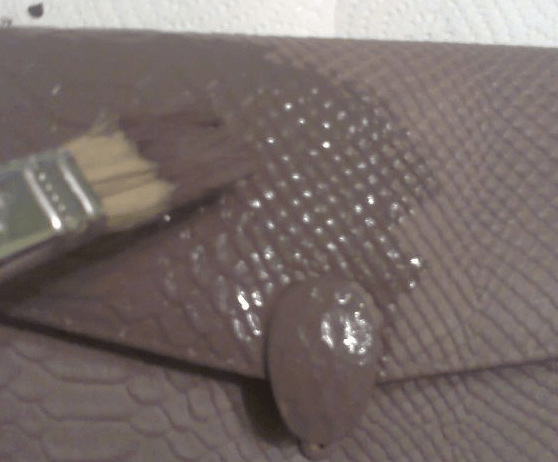
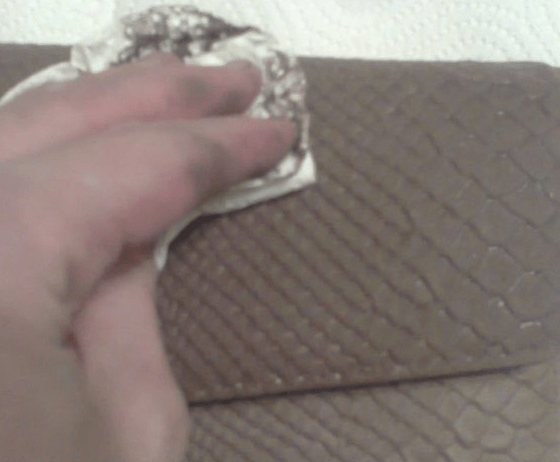
Cover the surface with regular wax again and leave to dry for a day.
After that, add a noble shine using metallic wax.
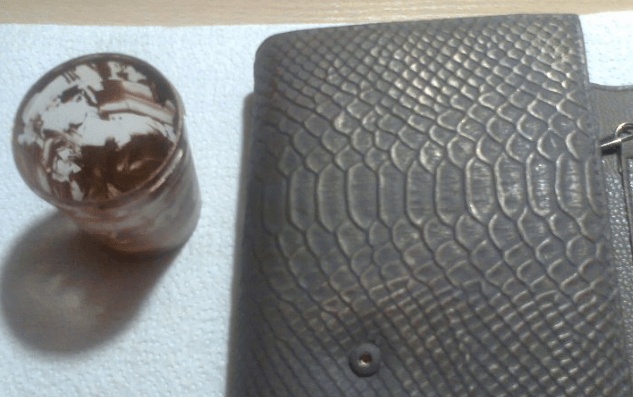
Here is the finished clutch.
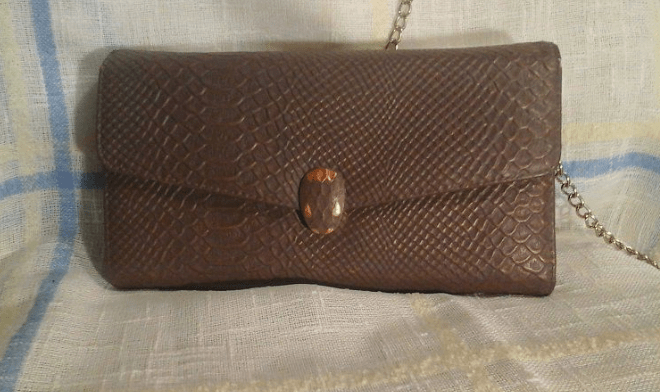
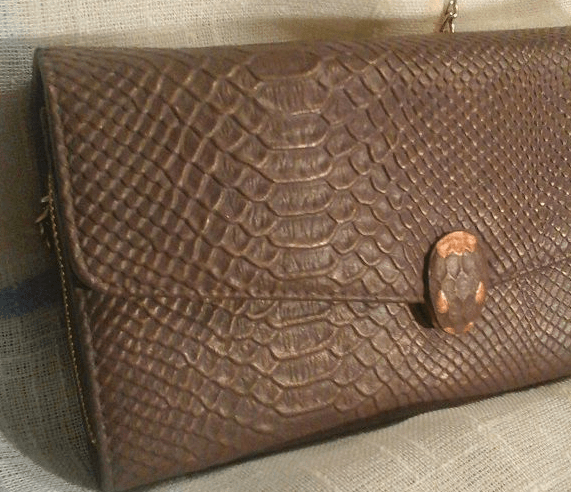


I thought about that after I started working. But the result speaks for itself. Perhaps if I had used a lighter shade and hadn't applied several layers of paint, I definitely wouldn't have avoided that sadness. But whether I was just lucky, or the brush bristles were soft enough, the paint went on evenly even during the process. During my first attempts at painting with white chalk paint on a glass jar, I had to paint in two passes immediately, because the "transparency" of the glass wouldn't go away.